
One year ago, I was browsing social media and I came across an Instagram post from a bar in Patchogue, NY that brazenly mocked a trans woman. Not only did this bar mock her, but they took her picture and posted it on their social media without her permission, effectively exposing her identity to countless strangers on the internet.
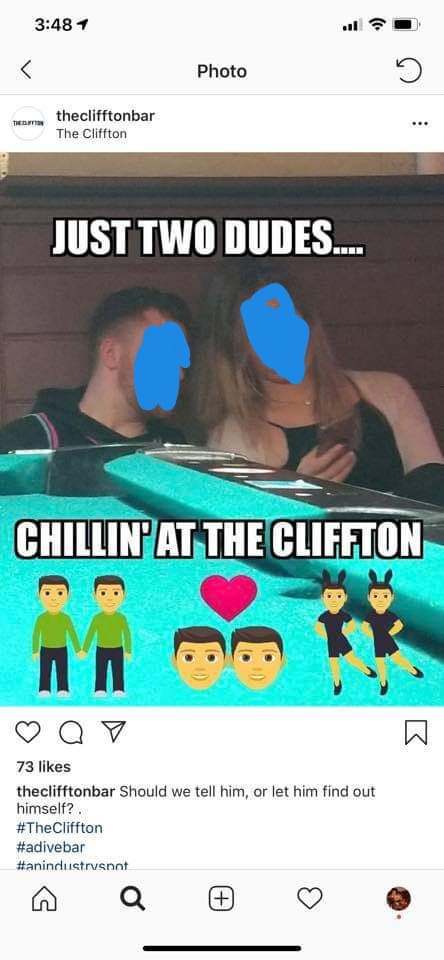
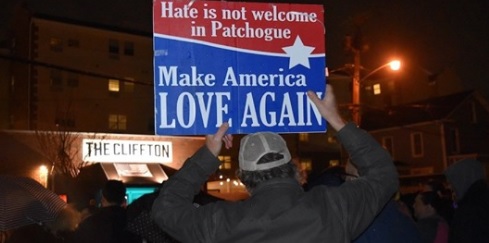
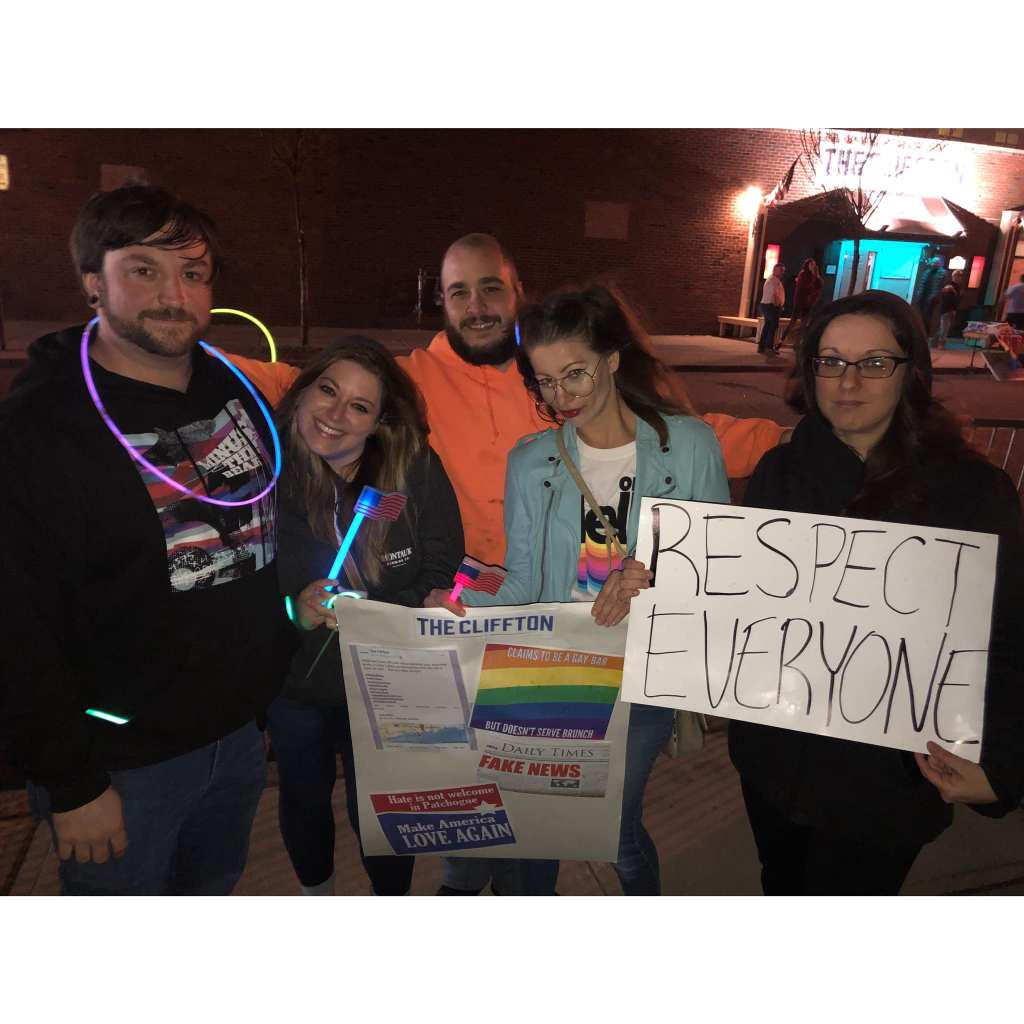
I, without even thinking much of it, immediately organized a protest of the bar in question. I took to social media and wrote an impassioned post about how tired I had become at these kinds of injustices occurring without any significant backlash or consequence. I made an event page and picked a date figuring that I would draw a crowd of maybe 15 – 20 people who would be angry and hold signs and then things would go right back to normal.
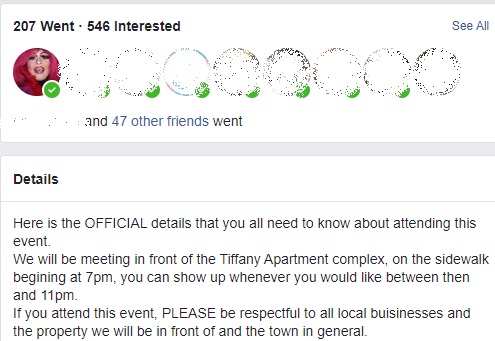
Within a day, on the event page 62 people marked themselves as “going” 235 marked themselves as “interested” and there were 52 shares on the event page.
The bars Yelp reviews went under review from a surge of negative reviews regarding the meme, a Brewing company cut ties with the bar, and I was contacted by News 12.
Within 3 days WEHM radio covered the story, I filmed with News 12 and Fios1.
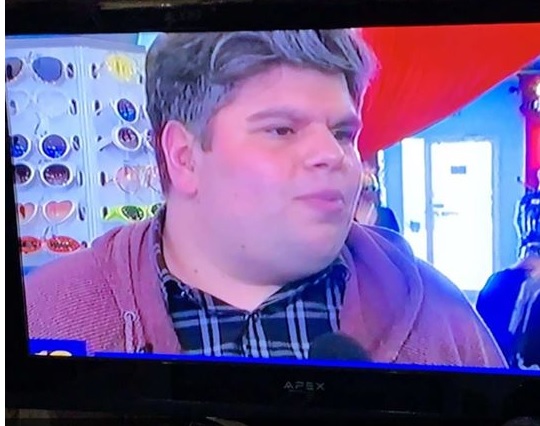
Legislator Rob Calaraco released a statement via Facebook as did Senator Monica Martinez.
By the time the protest happened, there were 201 people marked as “going” 545 people marked as “interested” and 193 shares.
The event was shared on Facebook, Reddit, Instagram, Snapchat, and even Fetlife!
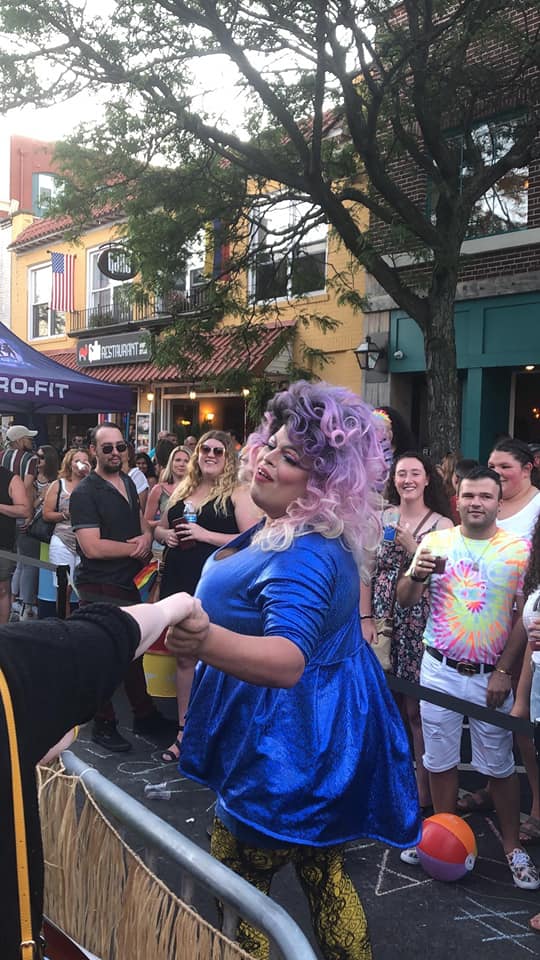
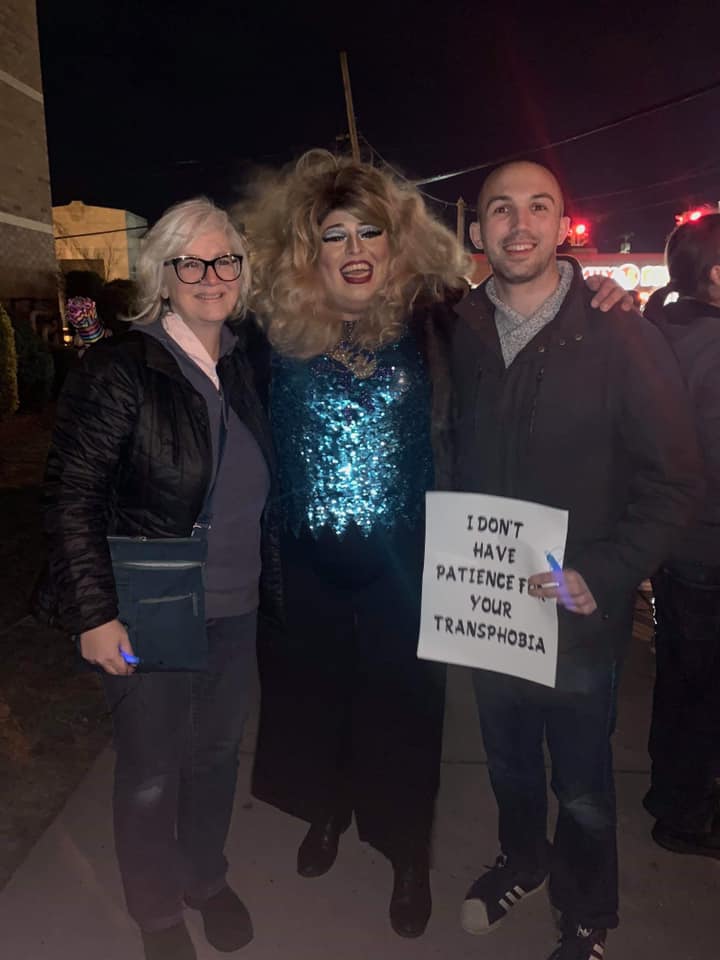
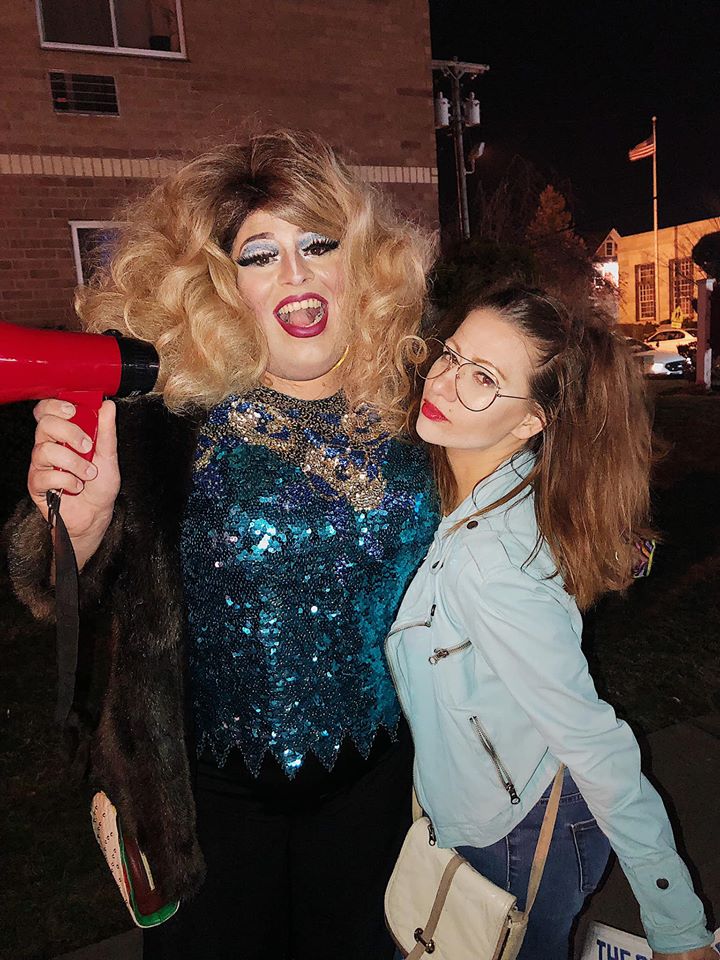
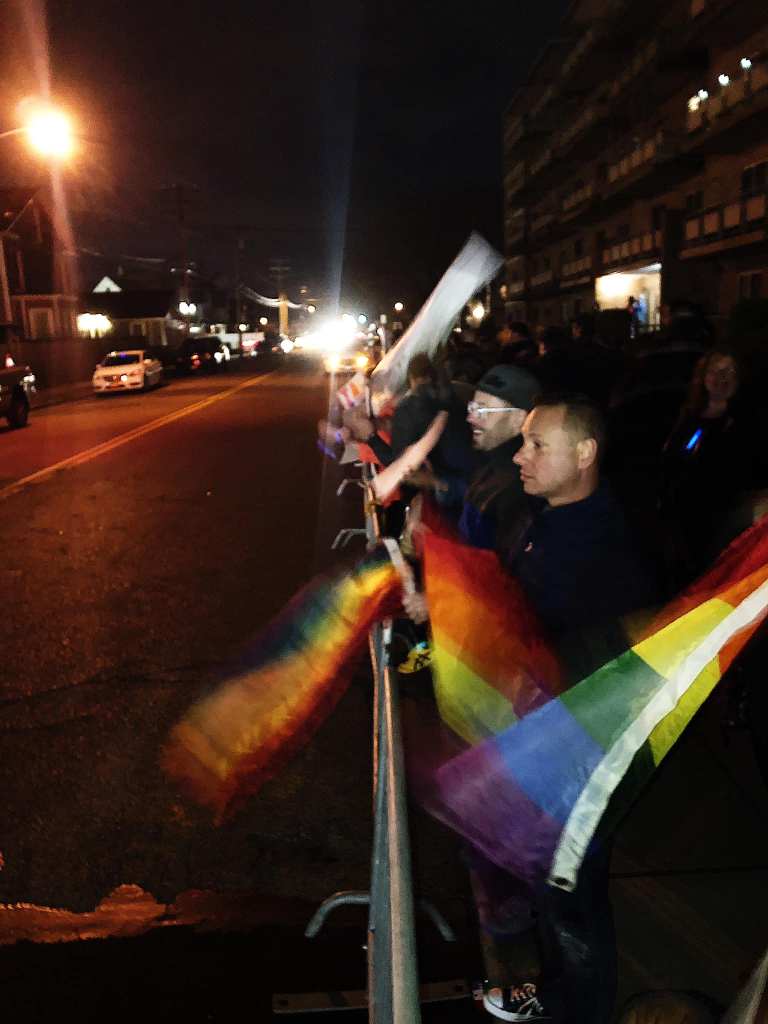
The protest itself was attended by more than 200 people and was covered by News 12.
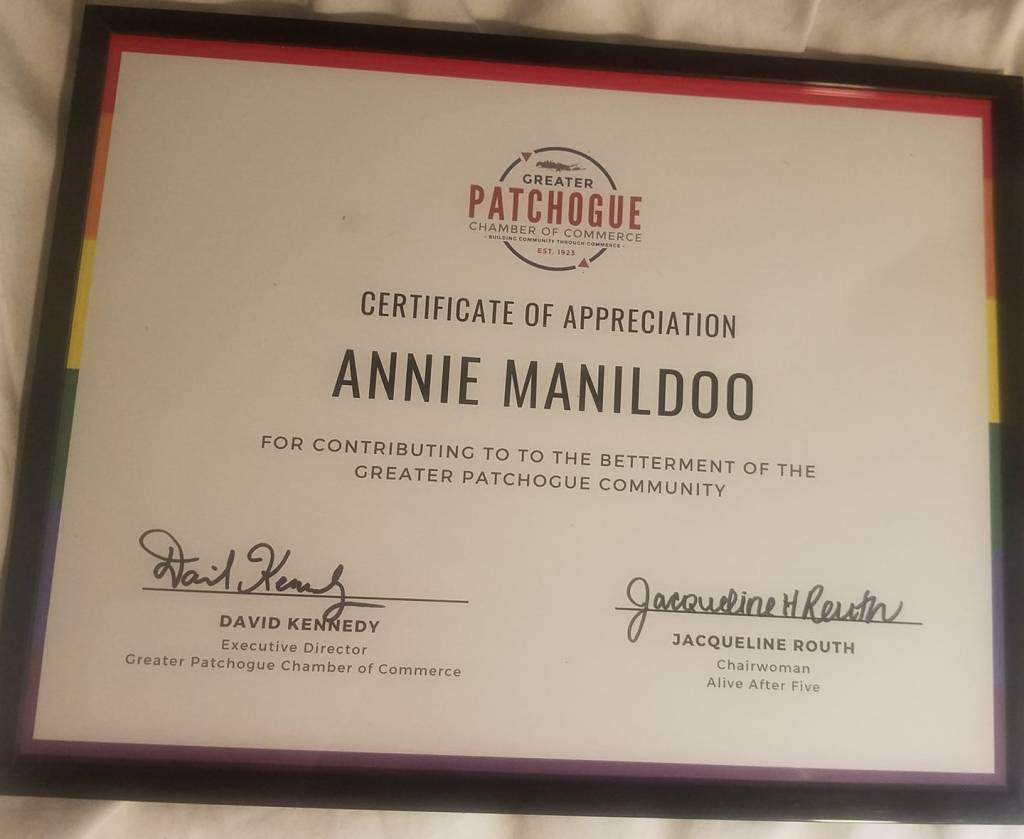
I never considered myself a political activist before this but once it was over, I gained quite the local reputation. I have since been honored with a certificate of appreciation by the Chamber of Commerce of Patchogue for my political activism in the community.
I was also given a seat at the organization of the first ever “pride themed” Alive After Five festival in Patchogue.
All these things happened because of my ability to write effectively.
In fact, the most difficult part of planning a political protest is writing all the emails and speeches that need to be written for it. I was in constant contact with the Suffolk County Police Department, various Senators, Congressmen, Mayors, town officials, and news outlets.
One medium that I wrote on more than any other is often overlooked, yet it shouldn’t be, especially by teachers and medium was social media. In Continuing The Journey 2 by Ken Lindbloom and Leila Christenbury, they state: “We are in an interesting time for writing in general. Social media is reaching new levels of prominence, and as a result, little-known authors can suddenly be thrust into the spotlight and have greater impact than would have been possible just a few years ago.” (24)
I had a modest social media following before planning this protest, but within one day that had doubled, if not tripled. I remember putting my phone down on a table because I was so exhausted, and my phone received so many notifications that it vibrated off the table and across the floor and did not stop until it died.
All the things that I wrote to plan this protest and put my plans into action were things that could be assigned in a school as a “pseudo authentic” or even an authentic writing assignment. Having students learn how to write letters to various audiences is enabling those students to feel powerful enough to enact a change on their own. If students practice writing letters to “intimidating” recipients, they will feel much more confident to do so on their own.
There is evidence of this exact principle in action in Continuing The Journey 2 by Ken Lindbloom and Leila Christenbury. In the chapter regarding authentic writing assignments, they present an example of second-grade students who were tasked with a writing assignment where they had to write to the administrators of their school to petition for a better selection of vegetables in their lunch. According to Lindbloom and Christenbury: “The success of the students’ campaign was tangible and relatively swift.” (31) They go on to say: “In second grade, these writers made a real difference in their world that mattered to them.” (31)
These students challenged the system in which they were living in order to make a change that mattered to them using their ability as writers. That is incredibly empowering and could be the catalyst for these students to move on to attempt to enact more change in their communities as they grow older.
I was blessed to have had a particularly good education. However, if I had not received the kind of education in writing that I did, planning this protest would have not only been difficult, it may have been impossible.
Education is inherently political. History shows us that this is true.
According to nbsnews.com
“The Civil Rights Act of 1964 ended segregation in public places and prohibited discrimination on the basis of race, ethnicity, religion, sex, or national origin.
Prior to the Act of 1964, African-Americans faced enormous challenges that were permissible by law including: discrimination in employment, less access to quality housing, disenfranchisement, as well as continued struggles to integrate public schools ten years after Brown v. Board of Education of Topeka.”
Education is power, learning is a tool. Not long ago, minorities and woman were not allowed the “privilege” of education because it’s unlikely for someone who’s educated to question the status quo and even less likely for the uneducated to have the resources to do anything about it. Educating someone is empowering them and giving them tools they need in order to have their voice heard clearly for the largest audience possible. Lindbloom and Christenbury state it beautifully: “In the English classroom in particular there is a unique opportunity to enact authenticity in writing. This skill and area of study is essential to education and, indeed, to success in later life, but only if what we teach realistically reflects the world beyond school. Spending time with our students crafting accurate and effective arguments, using precise and targeted vocabulary, and shifting out discourse to meet specific audiences and purposes is central to our work without students and central to what the world beyond school expects of them.” (2)
We must teach our students to be deliberate and precise with their language and to know how to write beyond the test. Doing so is not only an act of incredible social justice, but also a way for a teacher to make the world a better place for both their student and themselves.













 Confessions of a 30-something year old Drag Queen